- Publication date: 20 October 2025
- Reading time: 19 min
- Author: Anna
Giving birth in Argentina: a confident step into a new life
The Argentine Republic is one of the most popular destinations for birth tourism. Every year, many women arrive planning to give birth there, and many end up staying. This is due to several factors, including the high level of healthcare, which is comparable to that in the United States and Israel. Foreign women have the right to free childbirth at public clinics in Argentina, and private clinics offer reasonable prices compared to those in the United States.
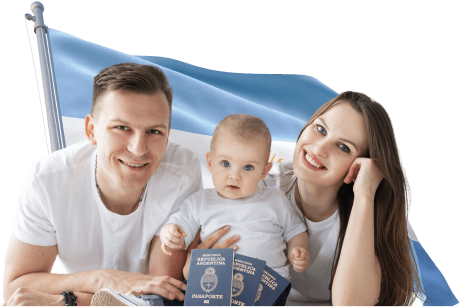
In turn, the Republic supports foreign women who choose to give birth in Argentina since it contributes to economic development and strengthens the country’s international image. Citizens of most countries can enter Argentina visa-free. One advantage of giving birth in Argentina is that the child automatically receives a local passport by birthright. Parents of an Argentine child are eligible for a simplified procedure to obtain permanent residency and citizenship.
Our specialists can tell you more about the benefits of giving birth in Argentina and offer assistance with everything from choosing a clinic to obtaining citizenship for your entire family. Leave your contact information in the form below, and we will reach out to you as soon as possible.

Why should you give birth in Argentina?
Giving birth in Argentina offers more than just the opportunity to receive high-quality medical care. It also offers comfort for the mother and baby, accessible services, and unique opportunities that open up after the birth. Let’s take a closer look at the advantages of childbirth in Argentina:
- Citizenship for the entire family. A child born in Argentina is entitled to local citizenship simply by virtue of being born there. The child’s parents can obtain permanent residency and immediately apply for a passport, unlike other foreign citizens who require at least 2 years to naturalize. Therefore, the Argentine program is one of the most accessible for families seeking a second passport.
- High level of healthcare services. Foreign women choose to give birth in Argentina because the country is known for its modern healthcare system, which offers free public and private medical care. Whether you choose a free or paid birth, you will have access to personalized attention, care, and comfortable conditions. Argentine clinics and perinatal centers are equipped with modern facilities and superior wards, which are private rooms with showers and non-slip floors. Amenities include hair dryers, air conditioning, Wi-Fi, and cable TV.
- Affordable private clinics. Compared to Europe or the United States, the cost of childbirth in Argentina is significantly lower. For instance, private births in major cities like Buenos Aires can cost between USD 3,000 and USD 5,000, depending on the clinic’s level and the services included in the package.
- Climate and quality of life. Argentina has a diverse climate, ranging from subtropical in the north to subantarctic in the south. The capital, Buenos Aires, has relatively humid weather with hot summers (around +25°C) and mild winters (around +11°C). The country’s location between the Andes Mountains to the west and the Atlantic Ocean to the east provides plenty of fresh air.
The advantages of giving birth and living in Argentina are further enhanced by the fact that the UN ranks Argentina as a country with a very high level of development. At the same time, the cost of living and housing remains relatively low. A rich culture, numerous attractions, parks, and picturesque landscapes offer comfortable conditions for relaxation and exploration. Furthermore, Argentina produces large quantities of high-quality fruits and vegetables, and Argentine beef is renowned worldwide, providing expectant mothers with a healthy, varied diet.

Discuss all the details of the collaboration during a consultation with a My Argentina specialist.
Organization of childbirth in Argentina
Organizing a birth in Argentina involves several key steps. First, gather all the necessary documents for entering the country and contact a clinic. You will also need to select a suitable hospital, fly to Argentina, and sign a rental agreement. We will cover all of these steps in more detail below.
Documents
To enter Argentina, you will need the following:
- A passport valid for at least 3 months from the entry date.
- Round-trip tickets.
- Medical insurance with coverage of at least USD 20,000, including transportation and care in private clinics.
- Proof of financial solvency, such as a bank statement or cash (at least USD 50 USD per day of stay).
Typically, only a passport is required for entry. While you may or may not be asked for additional documents upon arrival, it’s best to have them ready just in case. You may also be asked for a doctor’s clearance to fly at the airport, so it’s best to obtain one in advance. When visiting a hospital in Argentina, bring your medical records, test results, and ultrasound results. This information will help the doctor understand your health better and develop a plan for the rest of your pregnancy and delivery.
If you plan to apply for permanent residency immediately after giving birth, obtain a criminal record certificate in advance from any country in which you have lived for more than one year within the last 36 months. To apply for citizenship, your parents will need their birth certificates. These documents must be notarized at the Argentine embassy or the Ministry of Foreign Affairs, or apostilled (if the issuing country is a signatory to the Hague Convention).
Health insurance
Travel health insurance generally does not cover childbirth expenses. It is necessary to reduce hospital costs in the event of unforeseen health issues. However, public hospitals in Argentina offer free childbirth services, regardless of whether you have local insurance.
As for private hospitals, insurance is not mandatory, but it can significantly reduce costs. According to people who have already given birth in Argentina, it is advisable to obtain insurance at least a few weeks before the expected delivery date. Pregnant women are rarely provided with such insurance, so they must seek public care or rely on their own funds.
Finding a doctor and maternity hospital
Argentina has a wide range of public and private hospitals. Public hospitals offer free medical care and are accessible to everyone, so they typically have longer waiting lists. The conditions are somewhat more modest than in private clinics. Epidurals are typically used only in special cases, and the staff predominantly speaks Spanish. Some well-known public hospitals include:
- Hospital General de Agudos Carlos G. Durand.
- Hospital de Clínicas «José de San Martín».
- Hospital Italiano de Buenos Aires.
Private clinics offer a significantly higher level of comfort and personalized care. They typically have English-speaking staff who are more attentive to your needs. Popular choices for women giving birth include Sanatorio Finochietto, Sanatorio de la Trinidad Palermo, and Hospital Alemán, which offer a wide range of services.
It’s also important to choose a doctor to manage your pregnancy and delivery. In Argentina, a doctor may work with several hospitals, so after choosing a specialist, you can sign a contract with one of their affiliated clinics.
Visa, travel, and accommodation
Citizens of many countries do not require a visa for short-term stays in Argentina (up to 90 days). You can check if you need an entry permit with P41 specialists. It is recommended that you fly before the 32nd week of pregnancy because, after this point, airlines typically require a medical certificate confirming that there are no contraindications. In general, arriving in Argentina early will give you more time to calmly arrange a clinic and long-term housing, undergo all necessary examinations, and get settled.
For the initial period, you can book a hotel room or rent temporary housing. A house or apartment for a long-term stay can be found upon arrival. It is best to look for one close to a clinic to minimize transportation costs, save time, and ensure comfort.
Why should you seek professional support?
Without relevant experience, it’s easy to get confused by the various nuances when organizing a birth in Argentina. You might overlook an important detail, such as failing to consider your passport’s expiration date. It can also be challenging to find the right clinic on your own. Prices on websites quickly become outdated, and reviews and forums don’t always provide an objective picture. Navigating the local medical system can be difficult without prior knowledge.
It’s best to hire specialists who organize births in Argentina to handle as many tasks as possible. They have years of experience, know trusted, high-quality clinics, understand all the ins and outs, provide translation services, and ensure full support. Their legal assistance doesn’t end with organizing the birth. Parents will also receive support afterward when completing the necessary paperwork.
Working with My Argentina specialists allows you to avoid stress, eliminate risks, and focus on what matters most: the health of the mother and child. Receive full support from a qualified team at every stage to make the process as simple as possible.
How childbirth works in Agrentina
Before heading to the maternity hospital, gather all the personal items you might need during your stay. First, you’ll need documents for childbirth in Argentina: your passport, insurance policy (if applicable), and medical records (test results, ultrasound results, allergy certificates, etc.). Second, bring personal items, such as comfortable clothing, hygiene products, skincare products, slippers, pillows, and blankets, if you prefer to bring your own. Also, prepare diapers, clothes, a hat, and socks for the newborn.
Most maternity hospitals and clinics provide a basic newborn kit, but it’s best to check in advance.
Childbirth
In private clinics, the doctor discusses all the details of the birth process with the expectant mother in advance, including anesthesia options and the choice between a C-section and traditional delivery. Partner births are encouraged, so a spouse or loved one can be present to provide emotional and physical support during the birth. However, each clinic’s policy may vary, so discuss this with your doctor in advance.
The birth is supervised either by a contracted doctor or an on-call team if no prior arrangements have been made. A woman also has the option of requesting an epidural during labor. Unless otherwise indicated, the mother and newborn will remain in the same room for 3-4 days.
Home births are permitted in Argentina and are becoming increasingly popular among foreign women. This option, however, requires prior approval from a doctor and the selection of a qualified team of specialists to ensure safety and compliance with medical standards.

Vaccinations and documents after birth
According to national standards in Argentina, vaccinations are mandatory for children after birth. The Hepatitis B and BCG vaccines are administered at the maternity hospital.
After birth, you will be provided with the following documents:
- A birth certificate.
- A medical record containing information about the birth, as well as the health of the mother and child.
- Proof of the newborn’s vaccinations.
The child must be registered with the Registro Civil, an Argentine institution similar to a civil registry office. Registration requires the child’s birth certificate, the parents’ passports, and the mother and father’s marriage certificate, if applicable. Registration must be completed within 40 days of the birth. If you are unable to do so, request permission for late registration. Parents must appear in person with the newborn at the Registro Civil to have their photographs and fingerprints taken.
Afterwards, apply to the Renaper documentation center to receive the child’s DNI (Argentine identity card) and passport. You can register through the Mi Argentina mobile app and then visit the office in person.
Where to give birth in Argentina?
When choosing a city in Argentina in which to give birth, first pay attention to those with the most developed maternity tourism. You can expect excellent conditions, high-quality medical care, dedicated staff, and comfortable accommodations.
Next, let’s look at the top 5 Argentine cities suitable for giving birth. Each city has its advantages. Depending on your preferences, you can choose a large metropolis with developed infrastructure or a quieter town with an affordable standard of living.
Buenos Aires
Buenos Aires is the capital of Argentina and home to the best medical facilities. Maternity hospitals and private clinics, such as Sanatorio Finochietto and Hospital Alemán, offer high-quality services for expectant mothers. The city has the most developed maternity tourism, and the medical staff are familiar with the needs of international clients. Foreigners appreciate the competence of the doctors, the modernity of the clinics, and the friendliness of the staff.
The cost of living in Buenos Aires is generally lower than in major European and North American cities. On average, monthly rent for an apartment in the city center ranges from USD 600 to USD 1,050 depending on the number of rooms. More affordable areas offer prices starting from USD 400 for a one-bedroom apartment. Monthly expenses for food, transportation, clothing, and leisure activities for a couple in Buenos Aires can range from USD 1,400 to USD 2,300.
Buenos Aires offers high-quality medical care and a wealth of cultural and tourist attractions, including theaters, museums, and restaurants. It’s an ideal choice for those who want to combine childbirth with sightseeing. You can stroll along colorful Caminito Street in La Boca, visit the renowned Teatro Colón, recognized as one of the world’s best opera houses, or enjoy the historic San Telmo neighborhood’s colonial architecture and cozy cafés.
Nature lovers can relax in Tres de Febrero Park, and art lovers can visit the MALBA Museum of Latin American Art, which features works by Frida Kahlo, Diego Rivera, and other renowned artists.

Cordoba
Cordoba is the second largest city in Argentina and is known for its excellent healthcare facilities. Several maternity hospitals, such as the Clínica del Sol, provide services to foreign citizens. Prices in Córdoba are significantly lower than in Buenos Aires, yet the quality is just as good.
Cordoba is also more affordable than the capital. The average monthly rent for a three-bedroom apartment in the city center is around USD 650, while cheaper options starting from USD 400 can be found on the outskirts. Additional monthly costs for a couple, including food, transportation, utilities, and leisure activities, amount to approximately USD 1,350–2,125.
Cordoba is renowned for its picturesque natural beauty, proximity to mountain ranges, and numerous national parks. Historic buildings, cozy cafés, and restaurants make the city an ideal place to relax and recharge.
Rosario
Rosario also has high-quality maternity hospitals, such as Sanatorio Británico. The city’s medical facilities provide high-quality services and cater to international patients who appreciate the staff’s professionalism and hospitality.
Compared to larger cities, Rosario offers more affordable living conditions. The average monthly rent for a three-bedroom apartment in the city center is approximately USD 350. Food, transportation, and leisure expenses for a couple can range from USD 875 to USD 1,600.
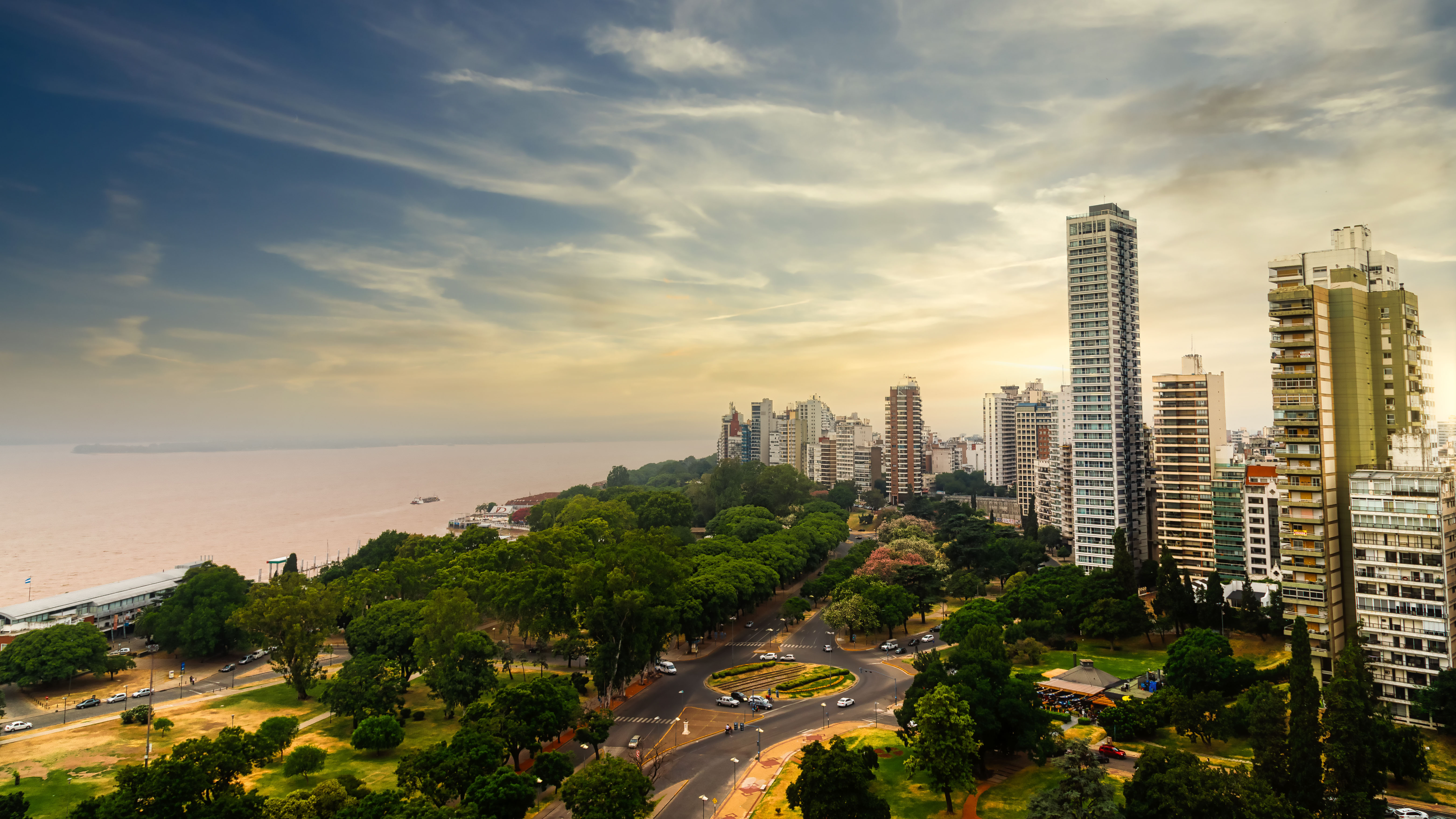
Rosario is a city with beautiful parks and well-developed infrastructure. Visitors can enjoy a cozy atmosphere and relax in picturesque parks such as Parque de la Independencia and Parque España. Rosario is renowned for its greenery, promenades, and riverfront along the Paraná River, which provides excellent conditions for those seeking privacy and relaxation.
Mendoza
Mendoza is known not only for its wine region, but also for its high-quality medical care. Local clinics, such as Clínica de la Mujer, offer personalized services to each patient.
Mendoza is one of the most affordable cities in Argentina. Depending on the number of rooms, rent in the city center costs around USD 570, while in the suburbs, you can find housing for as little as USD 250 per month. Food and transportation for a couple start at USD 750 per month.
Mendoza is one of the most picturesque cities in Argentina. It has a mild, dry climate with many sunny days per year. The city is surrounded by the majestic Andes Mountains, which provide clean, healthy mountain air and picturesque views. Mendoza has many well-maintained parks and shady paths that are ideal for leisurely strolls during and after pregnancy. Its proximity to nature and opportunity to enjoy tranquility make Mendoza a comfortable place for recovery and relaxation.

Mar del Plata
Mar del Plata offers resorts and medical facilities that specialize in treating respiratory diseases, thanks to its therapeutic maritime climate. Boasting some of the best rehabilitation centers in Argentina, as well as high-quality obstetrics and neonatology clinics, Mar del Plata is a popular birthing destination for Argentines and foreigners alike.
The cost of living in Mar del Plata is significantly lower than in Buenos Aires. Apartment rentals in the city center range from USD 210 to USD 450 per month depending on the number of rooms and features. Monthly expenses for food, utilities, leisure, and transportation for a couple in Mar del Plata start at USD 930.
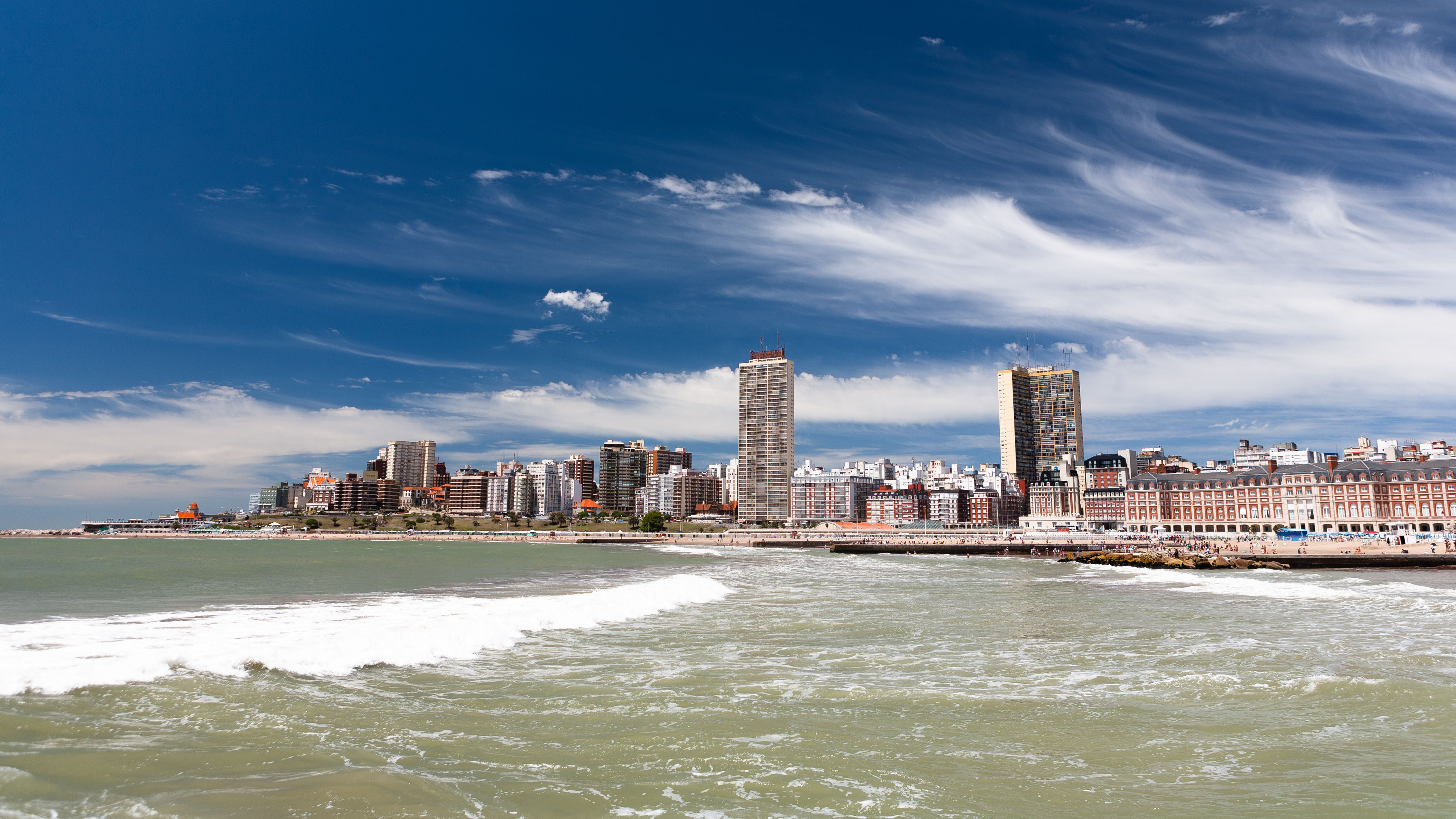
In addition to excellent childbirth facilities, Mar del Plata has beautiful beaches and tourist attractions that ensure a comfortable stay after childbirth. Take a stroll through the picturesque Sierra de los Padres region, where cozy cafés and shady alleys create the perfect atmosphere for relaxation. At Playa Vares beach, you can recharge your batteries with soft sand, calm seas, and picturesque views.
Childbirth support in Argentina
Planning a childbirth in Argentina requires careful preparation. Professional support can simplify the process. During a consultation, lawyers can help you navigate the details, arrange airport transfers, find accommodations, and support you every step of the way. An experienced, multilingual interpreter will facilitate communication with the medical staff. We will also help you choose the clinic that best suits your needs.
Legal support ensures the proper processing of all necessary documents, including child registration. Furthermore, specialists will help you apply for permanent residency and citizenship for the parents. With professional support, you can focus on the most important aspects of pregnancy and the postpartum period while minimizing potential risks and complications.